Enhanced Structural Protection and Corrosion Prevention
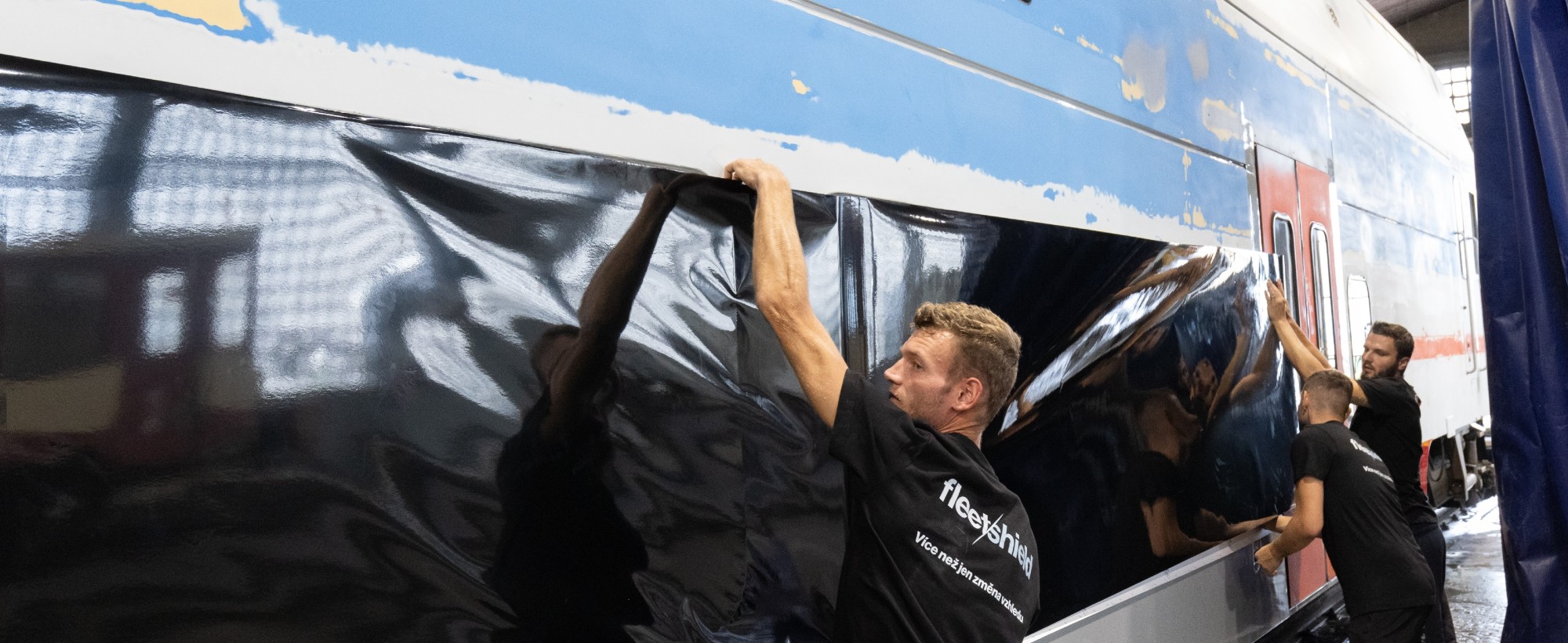
Paint alone is prone to chipping and oxidation, whereas protective films act as a sacrificial layer, reducing direct damage to the train's surface.
Films absorb minor scratches and impacts, preventing damage to the underlying paint and metal. While films do not prevent corrosion, they reduce exposure to moisture, which is a major contributor to oxidation. However, defects from the train body or sharp edges underneath the film may take longer to become visible compared to paint.
Instead of repainting an entire train car, operators can replace only the damaged film sections. This minimizes material waste and reduces repair costs.
Flexible and Sustainable Branding Solutions
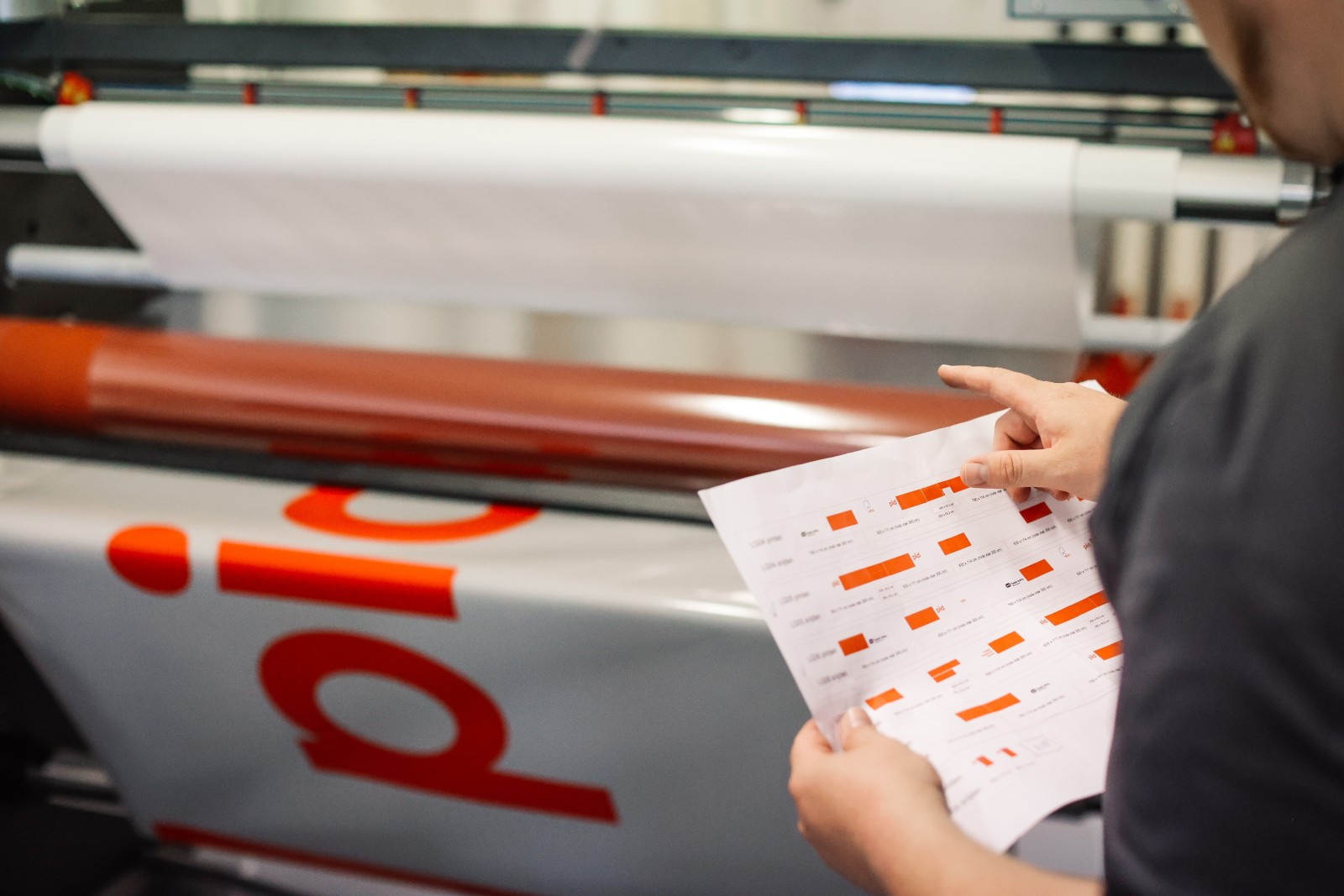
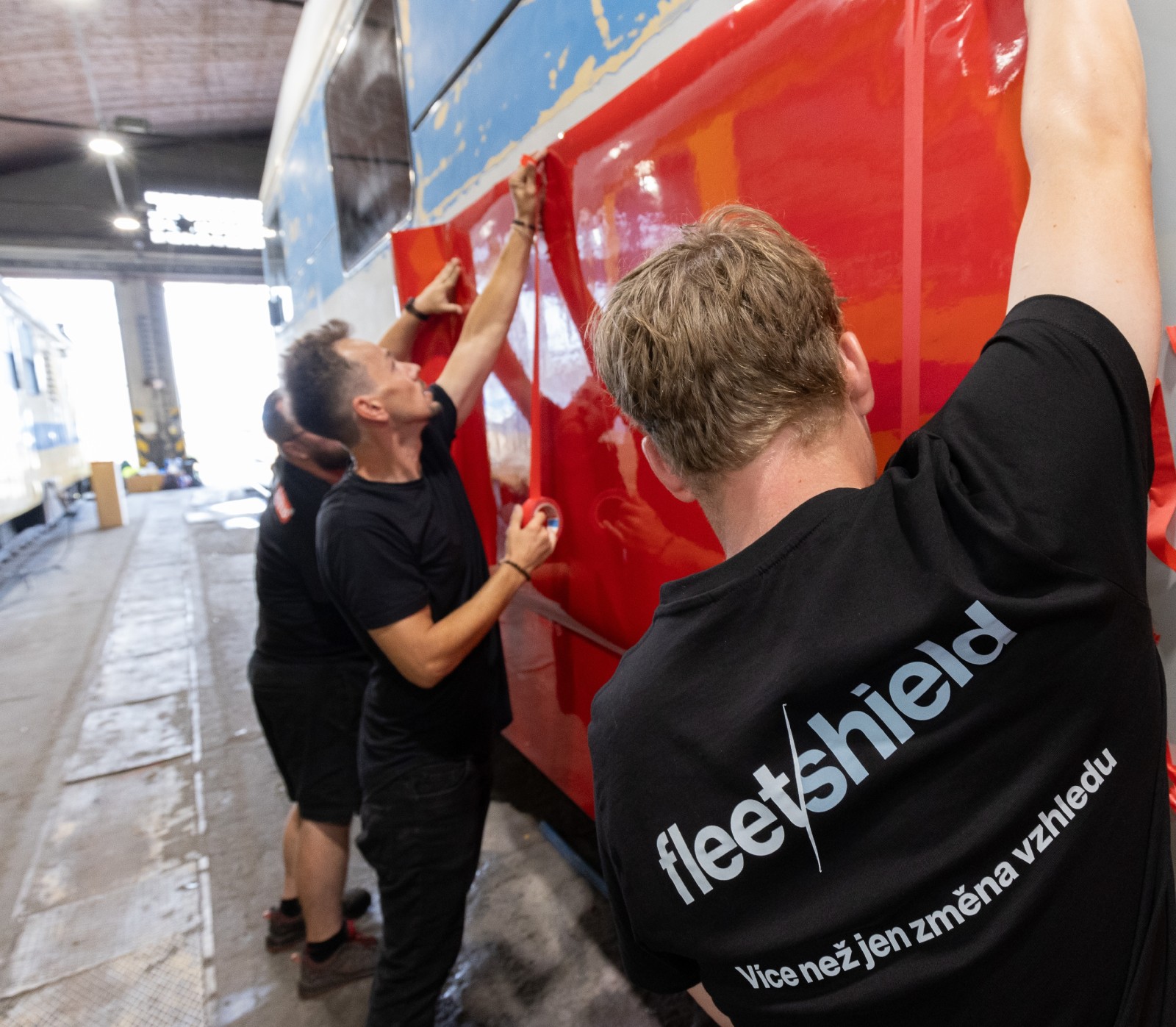
For operators that require frequent livery updates or promotional branding changes, films provide a cost-effective alternative to repainting .
Temporary or permanent branding can be applied and removed quickly. After eight years, film removal from a new paint system was found to be easy and left no glue residue. However, removal from older paint systems requires additional cleaning.
Paint systems release volatile organic compounds (VOCs), while films provide an environmentally friendlier alternative with lower emissions when properly disposed of.