

4-Step process for superior protective film application in your rolling stock
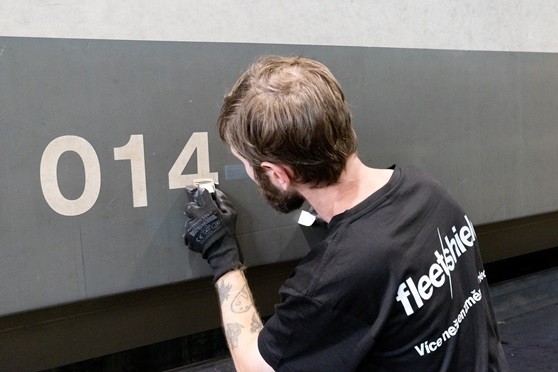
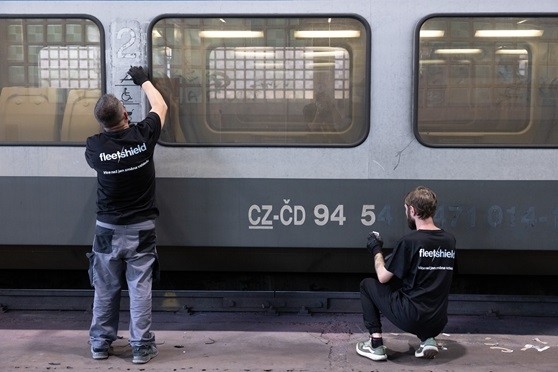
1- Removing old films and stickers
Old stickers might be baked into the surface, making them hard to remove. We handle this process efficiently. Information stickers, pictograms, technical marks, or train numbers will all be replaced or renewed, usually integrated into the new design.
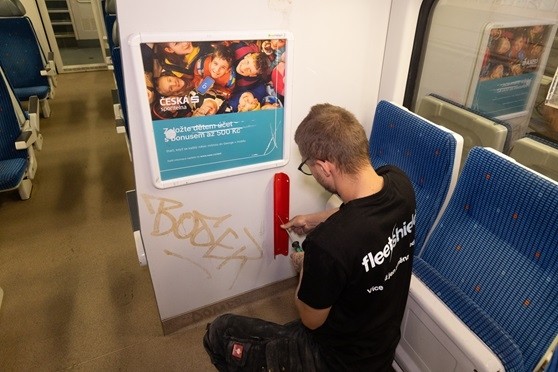
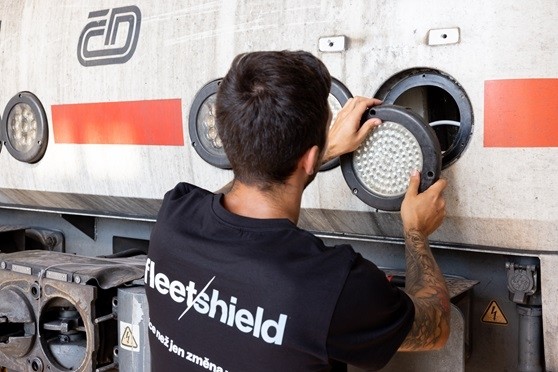
2- Dismantling and refurbishing obstruction objects
All protruding parts that would not make film application possible—such as handles, covers, light frames, frames, and gutters—are dismantled. Damaged items are refurbished and painted or replaced with new ones. Parts of the train that are tricky for film application are pre-painted, ensuring that these parts will have the same color, thanks to our close coordination with the application team. All these details elevate your rolling stock renovation!
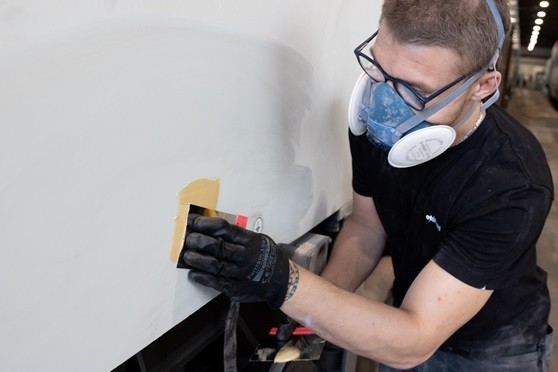
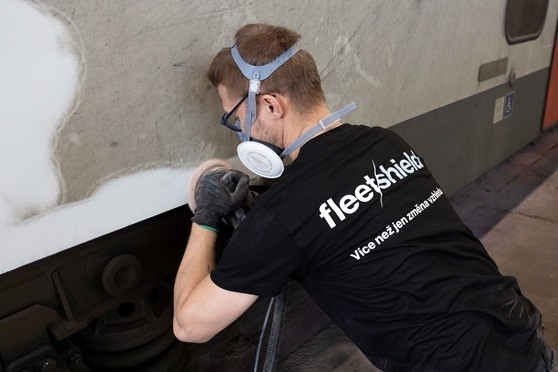
3 - Sanding & puttying uneven and damaged surface
Many factors can affect train surfaces over years of operation, such as weather conditions, corrosion, chipped stones, minor accidents, quick fixes, and vandalism. While a film applied over the surface will help with future damages, we must address the existing ones first. By sanding and puttingtying the damaged areas, we prepare the surface so that there is almost no unevenness.
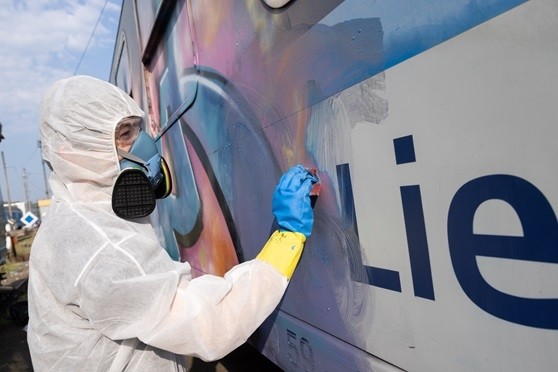
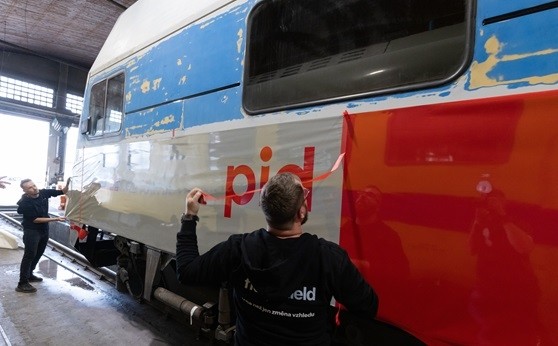
4- Decontamination, cleaning, and final pre-film preparation
The last step before completing the surface preparation is to clean, decontaminate, and neutralize the surface. The train's surface might be full of sediments, chemical residues, and other substances it came into contact with over the years. Often, the surface is also hit with graffiti, which we can clean as well.