Boosting Rail Sustainability with Protective Films
Knowledge base / / 3 min

How Protective Films Help Rail Sustainability and Make Maintenance Easier

Sustainability isn't just about cutting down emissions or meeting annual goals. It's also about making rail operations cleaner, more efficient, and easier to manage daily. For maintenance engineers and fleet managers, it often boils down to a simple question: how can we do more with less?

The answer is often protective films.

At Fleetshield, we team up with engineers who deal with constant pressure to keep trains running smoothly, avoid unexpected repairs, and maintain cleanliness. What we've found is that the best solutions mix strong performance with long-term environmental and operational benefits.

Less Cleaning Time and Water Waste

Cleaning trains is essential, but it can be expensive. Not just in labor but also in the amount of water and cleaners used. The stats are impressive: protective films can cut water usage by up to 70% during routine cleanings.

These films stop dirt and grime from sticking, making cleaning quicker, less harsh, and less frequent. This leads to lower costs for materials, less strain on cleaning crews, and fewer trains out of service.

For maintenance folks, that’s a big win.

Dealing with Graffiti Better

Graffiti is one of the biggest headaches in rail. It negatively affects how passengers see the service and can lead to costly and time-consuming cleanups.

Here's how protective films help:

  • They prevent graffiti from bonding with the train surface, eliminating ghosting after cleaning.
  • Graffiti can be wiped off with milder, eco-friendly cleaners.
  • Cleaning time can be slashed by up to 75%, getting trains back in action quicker.

The result? Less disruption and a tidier fleet, all while sticking to sustainability aims.

As noted in Fleetshield's whitepaper, companies like NS and GVB are already reaping the rewards. Their teams enjoy simpler cleaning processes, lower maintenance costs, and less downtime.

Lower Energy Use and Cooler Interiors

Protective films don't just cover the outside. When applied to windows or interior panels, they block UV rays and help lower heat inside the trains. This means cooler cabins and less load on HVAC systems, especially in summer.

Tests show films can reduce interior temperatures by up to 4°C, which can save up to €260,000 in energy costs over a train's lifespan.

Lengthening Train Life

For maintenance engineers, long-term durability is a major concern. Every repaint, corrosion issue, and scratch that goes deep leads to more downtime and cost.

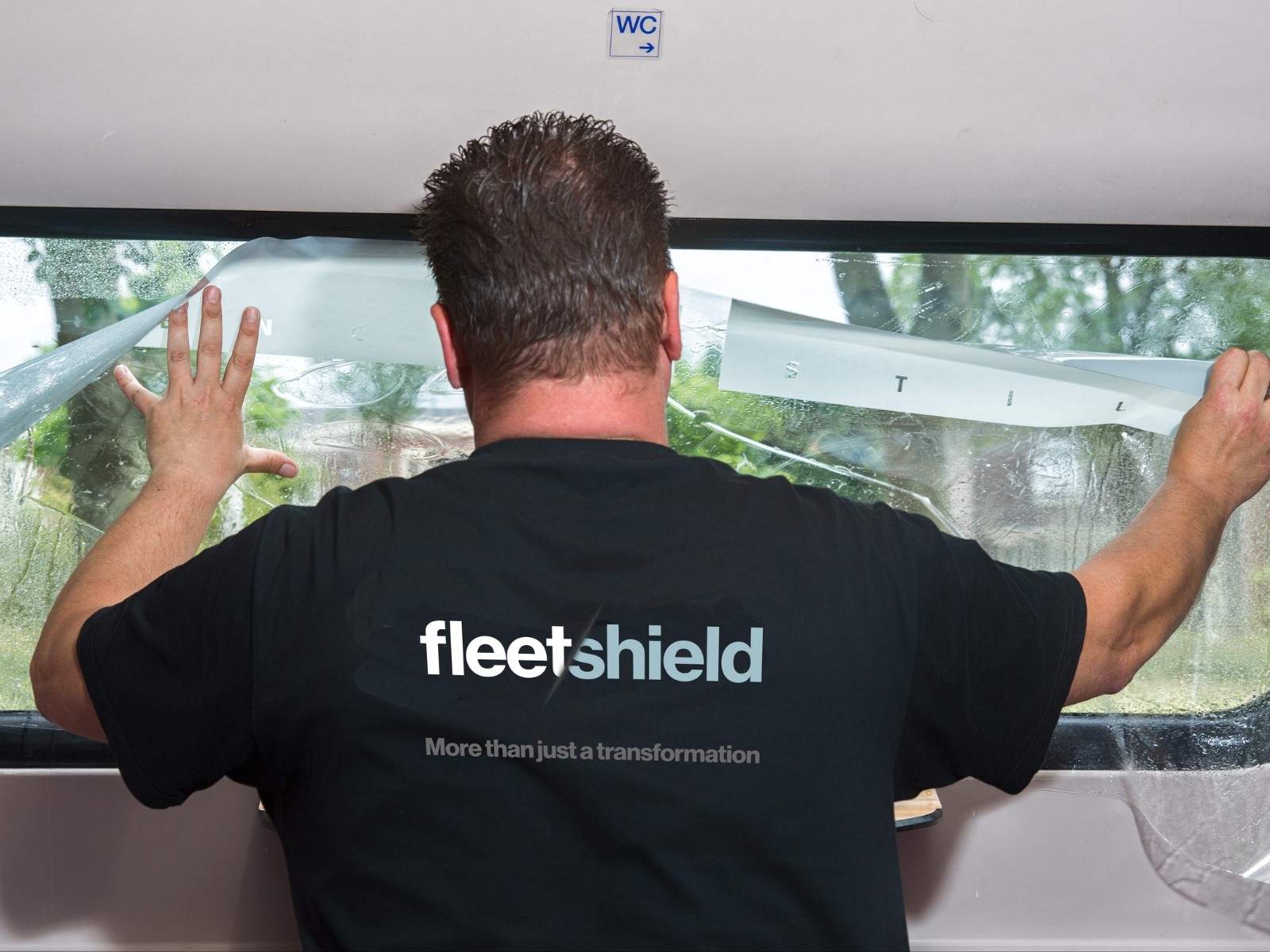
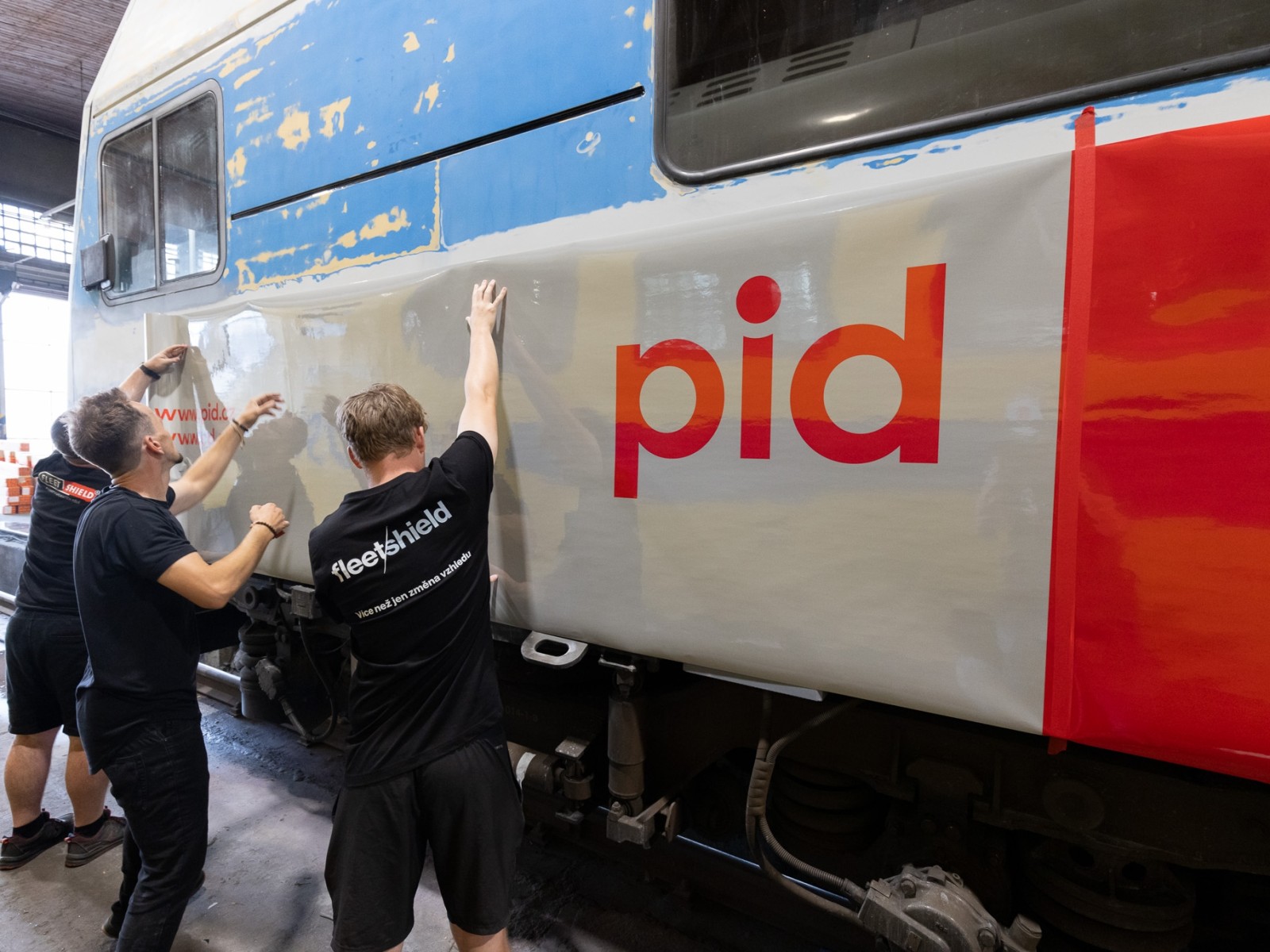
That’s where films come in. They act as a protective layer, shielding the paint underneath and guarding against everyday wear.

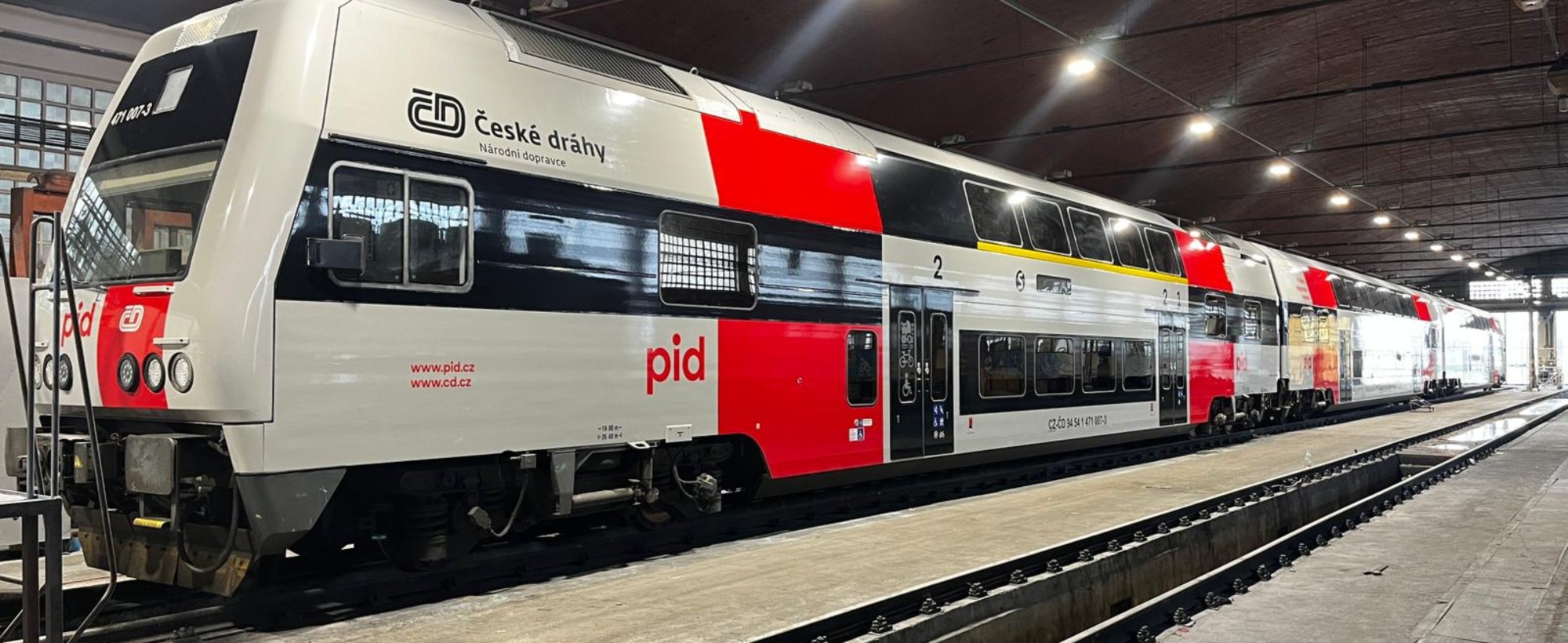
The best part? The film does not replace paint but works alongside it. Paint offers corrosion protection, while the film adds an outer layer of defense. Together, they create a smart protection plan that keeps trains in better shape longer.

Less Downtime, Less Waste, More Control

Protective films tackle multiple issues at once. They save cleaning time, make graffiti removal easier, protect valuable assets, and support energy-saving efforts. For maintenance and fleet managers, it’s not just about sustainability, it’s about working smarter.

Curious about how protective films can help with your sustainability and maintenance goals? Let’s chat.
Home Blog How Protective Films Help Rail Sustainability and Make Maintenance Easier